แนวโน้มวัสดุสำหรับเซลล์เชื้อเพลิงเมมเบรนแลกเปลี่ยนโปรตัน
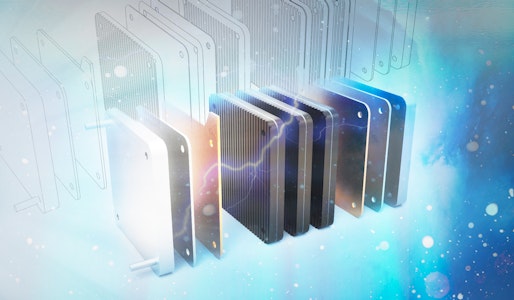
Proton exchange membrane (PEM) fuel cells are a key platform technology in global decarbonisation, converting hydrogen into electricity with only water as a byproduct. Their high efficiency and quick response make them ideal for mobility applications such as cars, buses, trucks, trains, and ships, as well as stationary (including backup) power systems. Core components are bipolar plates (BPPs) for gas distribution and current collection, gas diffusion layers (GDLs) for reactant transport and water management, the proton exchange membrane (PEM) for proton conduction, and catalysts that drive the cell's electrochemical reactions. Through ongoing advancements in these core materials and components, PEM fuel cells are becoming increasingly cost-effective, durable, and scalable, strengthening their role in the clean energy transition.
IDTechEx extensively covers all aspects of the hydrogen economy and in their latest report, "Materials for PEM Fuel Cells 2026-2036: Technologies, Markets, Players", provides a critical independent view of the components used in PEM fuel cells. In this thirty-minute webinar, Dr Conor O'Brien, a Senior Technology Analyst at IDTechEx will provide:
· An introduction to PEM fuel cells, including the working principle.
· An overview of the key applications driving growth of the market for PEM fuel cells.
· A breakdown of the forecast market value in 2036 segmented by fuel cell component.
· Detailed discussion of the major materials trends in the sector for the core components.
Presenter

Report
Related research
Reports
- Blue Hydrogen Production and Markets 2026-2036: Technologies, Forecasts, Players
- Materials for PEM Fuel Cells 2026-2036: Technologies, Markets, Players
- Thermal Management, Fire and Explosion Protection for BESS 2026-2036: Materials, Technologies and Players
- Critical Material Recovery 2026-2046: Technologies, Markets, Players