Second-life Electric Vehicle Batteries
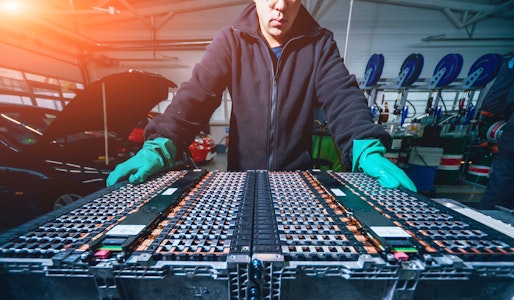
Batteries are the most expensive component of an electric car. At the end of their service life in electric vehicles, the retired batteries could still retain 70-80% of their initial capacity. Recycling is necessary in the end but before that, giving those retired but still capable batteries a 'second-life' in less-demanding applications such as stationary energy storage not only improves material efficiency, but also has the potential to bring tremendous value to a wide range of stakeholder across the automotive and energy sectors, as well as to the society and environment.
This webinar is based on the brand new IDTechEx report Second-life Electric Vehicle Batteries 2019-2029, and will provide:
- An introduction to second-life electric vehicle batteries;
- Forecast on the second-life battery availability;
- Potential markets for second-life batteries;
- Examples of announced industrial implementations of second-life batteries;
- Value chain of second-life batteries;
- A discussion on the business models of second-life batteries
Presenter

Dr Na Jiao
Technology Analyst
IDTechEx
Report
Related research
Reports
- Battery Storage for Data Centers, Commercial & Industrial Applications 2026-2036: Market, Forecasts, Players, Technology
- Li-ion Battery Market 2026-2036: Technologies, Players, Applications, Outlooks and Forecasts
- Critical Material Recovery 2026-2046: Technologies, Markets, Players
- Thermal Management for Electric Vehicles 2026-2036: Materials, Markets, and Technologies